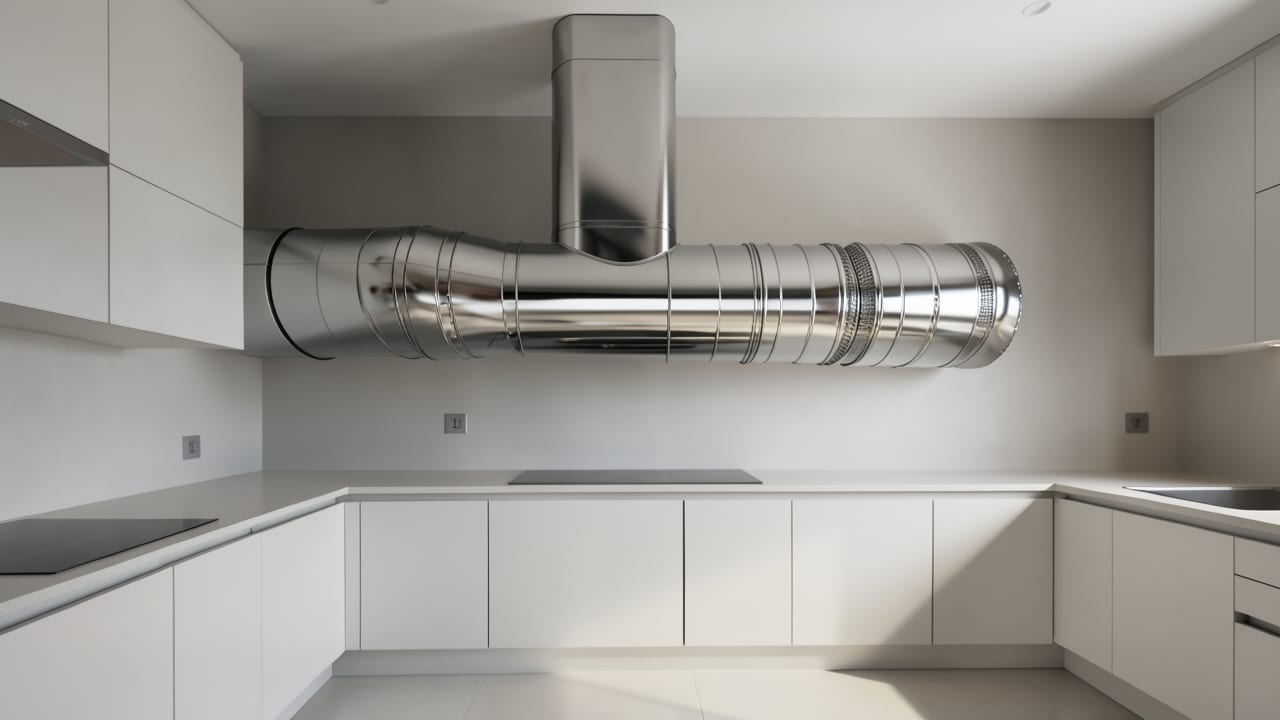
Stainless Steel Duct Cleaning
Professional cleaning of stainless steel ductwork to remove dust, debris, and contaminants from HVAC systems.
Stainless steel duct cleaning in Bellaire, TX removes deep-seated dust, allergens, and debris from your HVAC system’s ductwork to improve airflow and indoor air quality. Specialized tools and HEPA filtration ensure thorough cleaning, addressing buildup that standard vacuuming misses.
This targeted service helps alleviate allergy symptoms, reduce energy costs, and prevent long-term system damage by restoring efficient airflow throughout your home.
We also handle Air Duct Cleaning and Dryer Vent Cleaning for Bellaire properties.
When to consider stainless steel duct cleaning
Duct cleaning becomes necessary when visible dust reappears quickly after cleaning, or when you notice a musty smell that fades once the HVAC system turns off. These signs often point to hidden buildup inside the ducts, particularly in stainless steel systems where dust can compact tightly over time.
A fine gray film near registers or dust puffing when the system first starts are direct indicators that the ducts need attention.
Rooms that collect dust faster than others—especially those near supply vents—suggest active dust delivery through the ductwork. If wiping a register grille leaves a buildup that returns within days, the issue likely stems from what’s trapped just inside the duct.
Addressing this early prevents dust from spreading deeper into the system and worsening indoor air quality.
Signs Your Ducts Need Cleaning
- Dust reappears on surfaces within days of cleaning, especially near supply vents.
- A musty or stale smell is noticeable while the HVAC system is running but fades when off.
- Visible buildup or a fine gray film forms on register grilles, even after wiping.
- Airflow feels weaker than usual, or some rooms stay cooler/warmer than others.
- Allergy or asthma symptoms worsen when the HVAC system is in use.
What affects pricing and timing?
The frequency of duct cleaning depends on household factors like pets, allergies, or construction dust, not a fixed schedule. Changing air filters every 1–3 months is the single biggest step to slowing buildup, as a clogged filter forces more dust into the ducts.
Sealing gaps where ducts connect to registers or join in unfinished spaces also reduces how quickly dust accumulates between cleanings.
Industry guidelines for cleaning intervals vary widely—from once a year to once every five years—but the real answer depends on your home’s specific conditions. For example, homes with heavy pet shedding or nearby construction may need more frequent cleaning than those in low-dust environments.
Surface maintenance, like vacuuming registers and grooming pets, also plays a critical role in extending the time between deep cleanings.
What to verify before hiring a duct cleaning service
Not all duct cleaning methods are equal—some providers use shop vacuums at vents, which remove far less debris than a full negative-pressure system clean with HEPA filtration. Always confirm whether the quote includes the main trunk lines, HVAC coils, and blower, or only the visible vents.
A before-and-after camera inspection is essential to verify how much debris was actually removed, as dust moved around inside the ducts doesn’t improve air quality.
Beware of quotes that seem unusually low, as they may indicate a less thorough service. Ask if mold or pest contamination is covered—some issues require additional remediation beyond standard cleaning.
Clarify whether dryer vent cleaning is included, as it’s a separate system and often confused with ductwork. A transparent, itemized quote upfront avoids surprises later.
| Red Flag | What It Might Mean |
|---|---|
| Price far below market range ($290–$530) | Shop-vac method at vents instead of full-system negative-pressure cleaning |
| No before-and-after camera inspection offered | No way to confirm debris removal effectiveness |
| Pressure to add UV-light or sanitizing treatments on the spot | Potential for upselling unrelated services |
| Unclear whether HVAC coils/blower are included | Main system components may be left uncleaned |
How stainless steel duct cleaning works
A thorough duct cleaning follows a structured process to ensure dust and debris are removed safely and efficiently.
- 1System Inspection
A camera or mirror inspection identifies concentrated dust, debris, or biological growth in supply and return runs. This step guides the crew on which sections need mechanical agitation and which are already clear.
- 2Register and Vent Sealing
Non-working registers are sealed, and a negative-pressure collection unit is connected. This ensures dislodged dust is pulled into the HEPA-filtered system instead of blowing back into living spaces.
- 3Mechanical Agitation
Rotary brushes or compressed-air whips loosen compacted dust from duct walls. Suction alone can’t remove dust that’s settled over years, so agitation is critical for a deep clean.
- 4HEPA Vacuum Extraction
Dislodged material is captured in a HEPA-filtered collection system, preventing fine particulate from re-entering the home through return air.
- 5Airflow Verification
After reassembly, airflow is checked at multiple registers to confirm improvements. This step ensures the cleaning actually enhanced circulation rather than just redistributing dust.
Frequently asked questions
How do I know if my stainless steel ducts need cleaning?
Look for dust reappearing quickly near vents, a musty smell while the HVAC runs, or visible buildup on register grilles. If wiping a grille leaves a film that returns within days, the ducts likely need cleaning to stop active dust delivery into your home.
Will cleaning my ducts improve my allergies?
Yes, if dust and allergens are trapped inside the ducts. A thorough cleaning removes deep-seated buildup, reducing airborne irritants that trigger allergies or asthma—especially in homes with pets, carpets, or high humidity.
How often should I have my ducts cleaned?
There’s no one-size-fits-all answer, but changing air filters every 1–3 months and sealing duct gaps slows buildup. Homes with pets, construction dust, or allergy sufferers may need cleaning every 2–5 years, while low-dust homes might go longer.
Does duct cleaning include the HVAC unit’s coils and blower?
Not always—confirm whether the quote covers the main trunk lines, coils, and blower. Some services clean only visible vents, leaving deeper components uncleaned, which can reduce effectiveness.
Where Bellaire sits, and what the Census lists nearby
Bellaire sits in Texas, and the closest places listed in the U.S. Census Gazetteer are Southside Place (1.6 miles east), West University Place (1.9 miles northeast), Piney Point Village (4.9 miles northwest), Hunters Creek Village (5.2 miles northwest).
Within 25 miles of Bellaire the same source lists 49 distinct incorporated places and census-designated places.
Those figures matter for stainless steel duct cleaning because they are straight-line distances between Census coordinate points: road mileage between Bellaire and Southside Place runs longer than the 1.6 miles shown, which is why quotes for the same job differ between towns that look close together on a map.
Source: U.S. Census Bureau Gazetteer.
See Spring Valley Village, TX for more, or take a look at everything on offer in Bellaire from start to finish for our complete lineup.
Ready to get started?
Talk to a local air duct cleaning pro in Bellaire — get a written quote.
Other Air Duct Cleaning Services in Bellaire
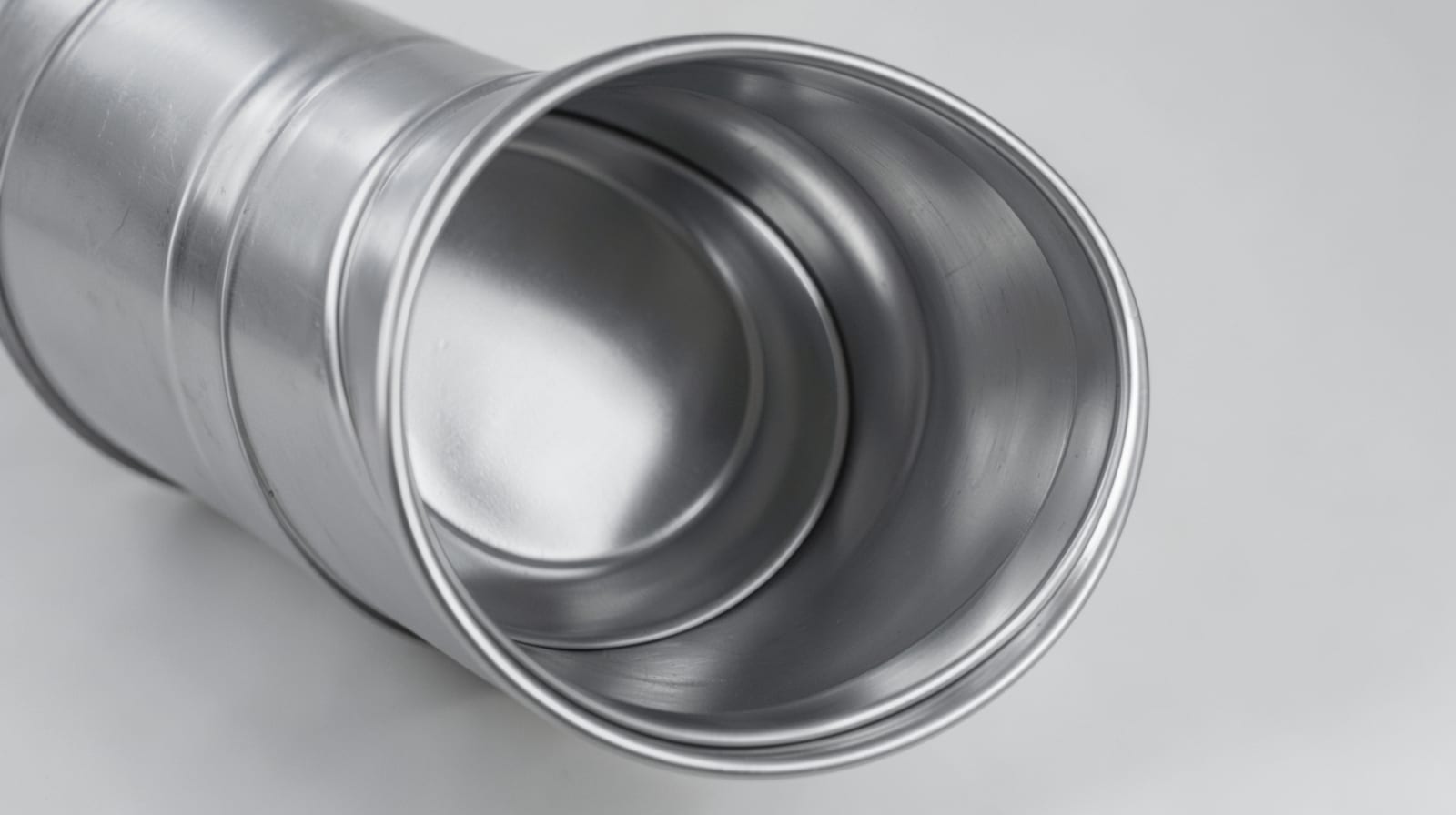
Air Duct Cleaning in Bellaire, TX
Whole-system air duct cleaning in Bellaire, TX — removes mold and mildew from supply and return ductwork using NADCA-standard negative-air-pressure equipment.
Learn More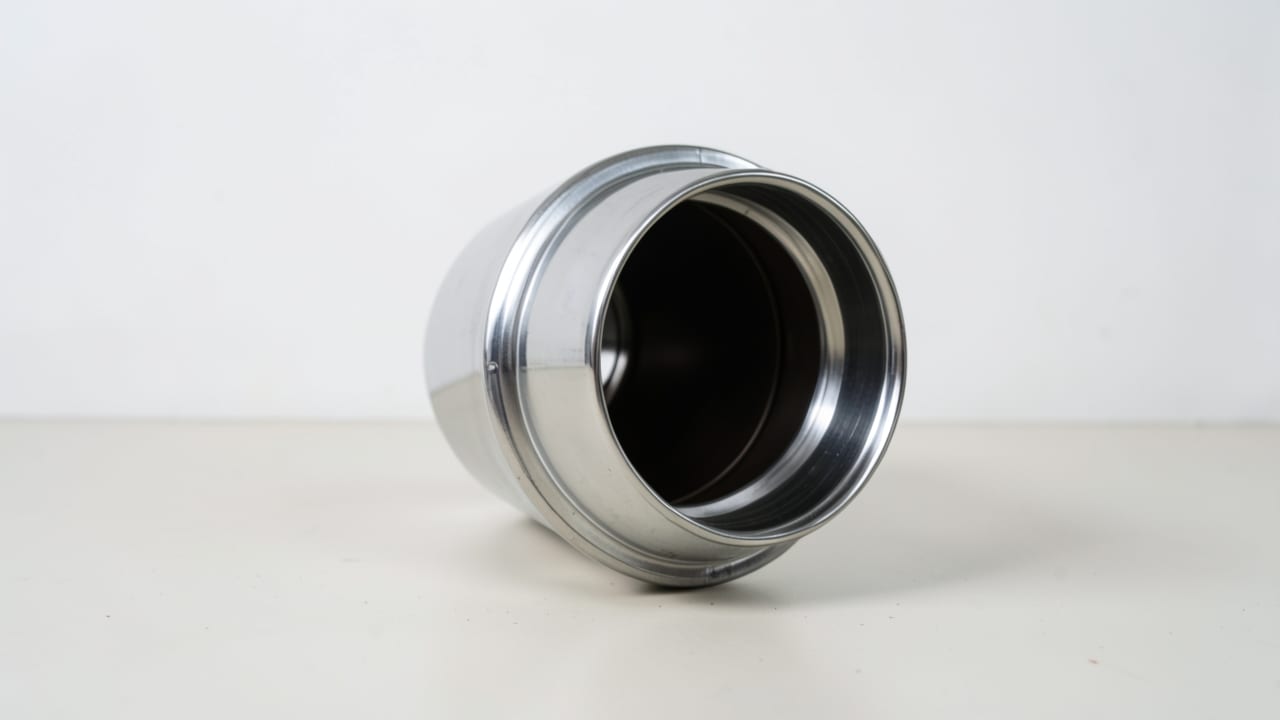
Dryer Vent Cleaning in Bellaire, TX
Dryer vent cleaning in Bellaire, TX clears lint buildup that restricts airflow and is a leading cause of house fires.
Learn More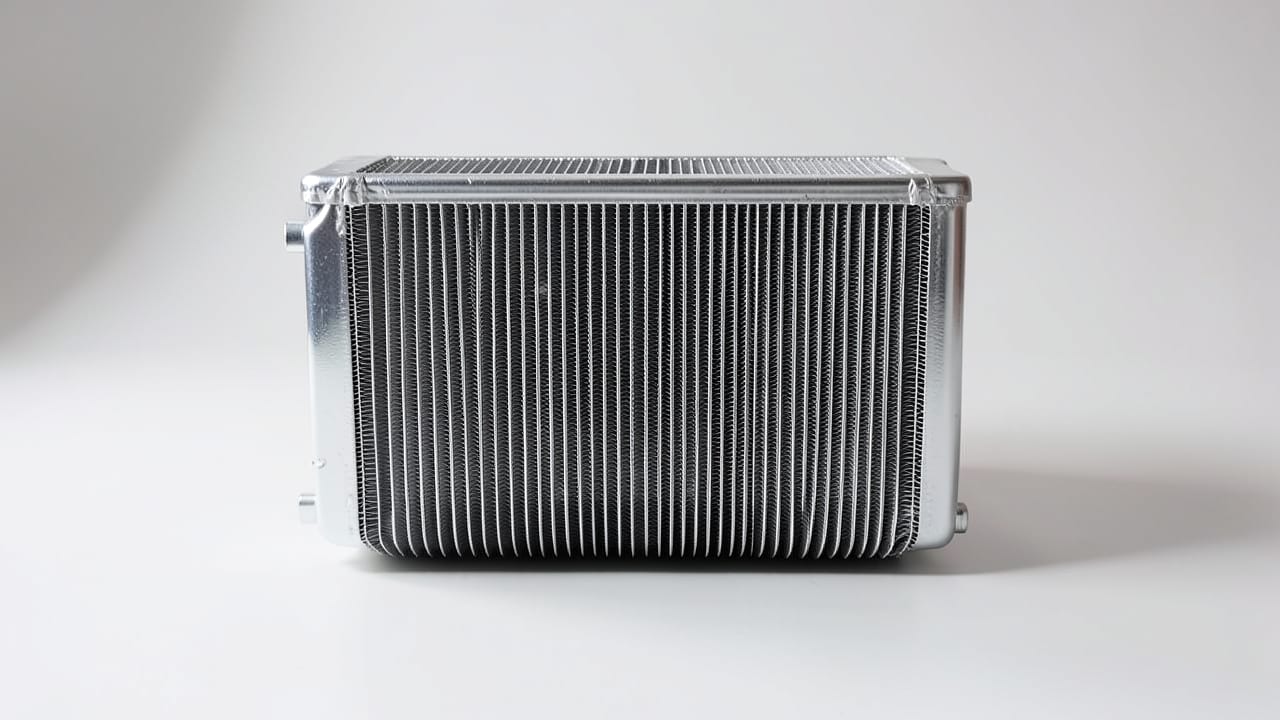
HVAC Coil Cleaning in Bellaire, TX
Evaporator and condenser coil cleaning in Bellaire, TX restores HVAC efficiency lost to dirty coils.
Learn More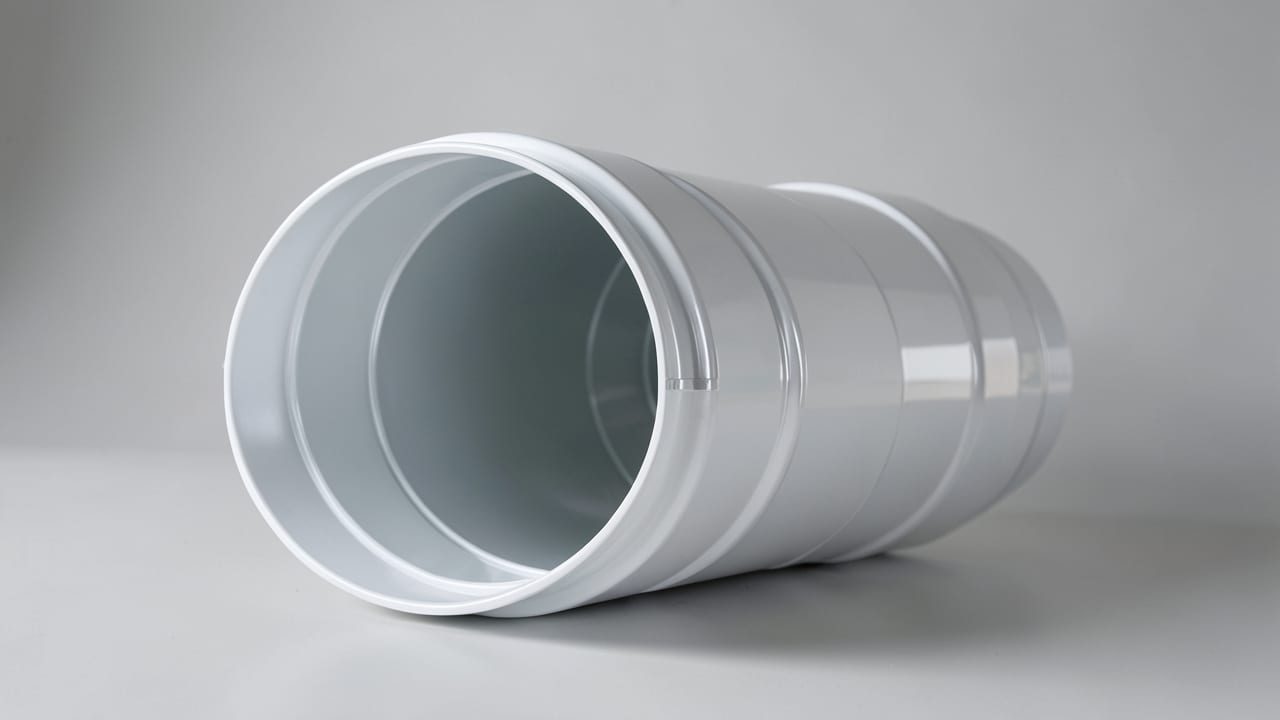
Mold & Mildew Duct Treatment in Bellaire, TX
Mold and mildew treatment for HVAC ductwork in Bellaire, TX — antimicrobial application after a full duct cleaning.
Learn More
Indoor Air Quality Testing in Bellaire, TX
Indoor air quality testing in Bellaire, TX measures particulate levels, humidity, and allergens to identify what a home's HVAC system is actually circulating.
Learn More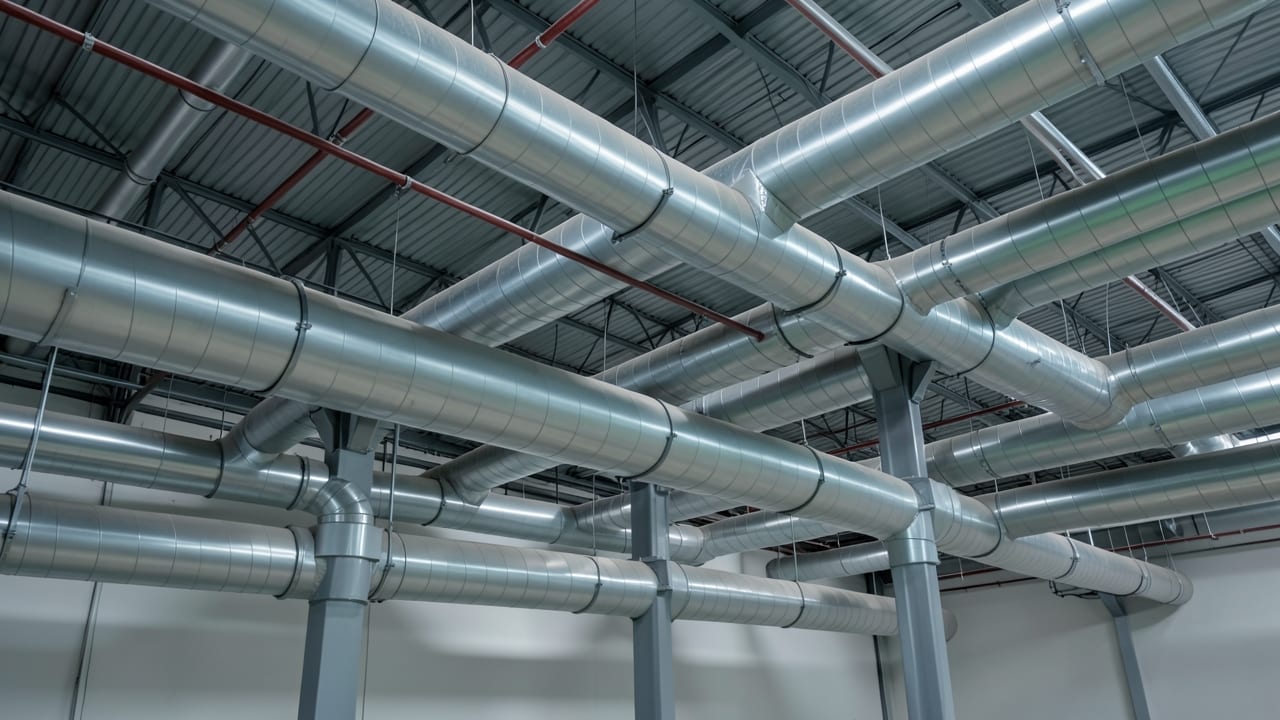
Commercial Duct Cleaning in Bellaire, TX
Commercial HVAC duct and rooftop unit cleaning in Bellaire, TX for offices, restaurants, and retail properties.
Learn MoreCommon Questions About Air Duct Cleaning in Bellaire
Everything you need to know about air duct cleaning services in Bellaire
How much does Stainless Steel Duct Cleaning typically cost in Bellaire, TX?
Can humidity in Bellaire, TX lead to mold growing inside the ductwork itself?
Can air ducts be cleaned with a household vacuum instead of hiring it out?
Is duct cleaning ever covered by a home warranty or insurance policy?
What's the actual difference between duct cleaning and dryer vent cleaning?
Does the cleaning process release dust into the rest of the home?
Need Air Duct Cleaning in Bellaire?
Get a written quote from our Bellaire crew.
⏰ We answer your call • Serving all of Bellaire and surrounding areas