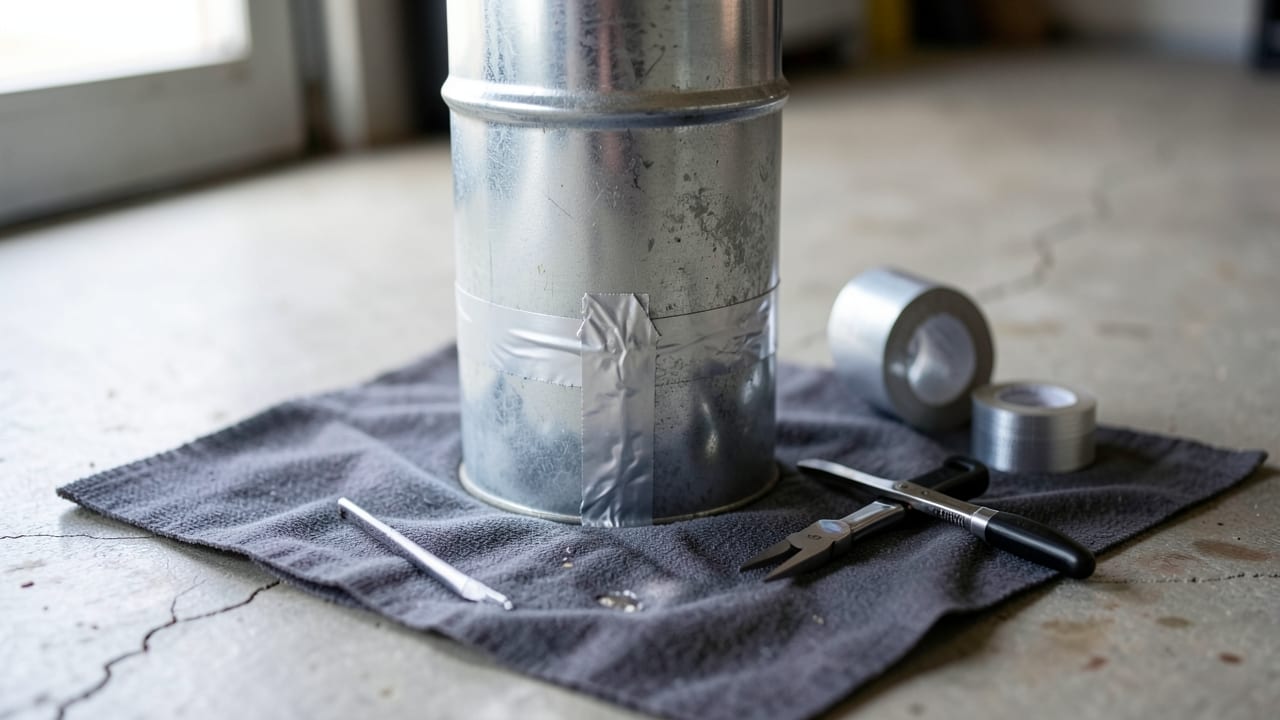
Ductwork Repair
Repairing or sealing damaged air ducts to restore HVAC efficiency and airflow.
In Bellaire, TX, ductwork repair ensures your home’s HVAC system operates efficiently by sealing leaks, fixing damaged sections, and restoring proper airflow. Over time, ducts can develop gaps, crushed sections, or deterioration, leading to energy waste, poor air quality, and uneven heating or cooling.
Addressing these issues promptly prevents long-term damage and keeps your system running optimally for years to come.
We also handle Air Handler Cleaning and Evaporator Coil Cleaning for Bellaire properties.
Signs your ductwork needs repair
Ductwork problems often reveal themselves through subtle but persistent clues rather than obvious damage. One of the most common signs is a visible layer of dust accumulating near supply vents within days of cleaning, especially if other rooms in your home stay cleaner longer.
This suggests dust is actively being pushed through the ductwork rather than settling naturally.
Another red flag is a musty or stale odor that becomes noticeable only when your HVAC system is running, then fades once it’s turned off. This smell often indicates biological growth, such as mold or bacteria, thriving inside damp or poorly ventilated ducts.
If you notice puffs of dust when your system first turns on, or if dust resettles quickly on furniture, these are direct signs that your ducts may have leaks or blockages allowing debris to circulate.
When to Call for Ductwork Repair
- Dust reappears near supply vents within days of cleaning, while other rooms stay cleaner longer
- A musty or stale smell is noticeable only when the HVAC system is running, not when it’s off
- Puffs of dust appear when the system first kicks on, or dust resettles quickly on surfaces
- Airflow feels weaker in certain rooms compared to others, or some vents blow warm/cold air inconsistently
- Visible buildup or a gray film appears on register grilles, especially if it returns shortly after cleaning
What affects ductwork repair costs and timing
The cost of ductwork repair in Bellaire varies widely depending on the extent of damage, the size of your home, and the specific issues identified during inspection.
Unlike duct cleaning, which follows a more standardized process, repairs often require custom solutions—such as sealing disconnected joints, replacing crushed sections, or addressing hidden leaks in walls or attics.
The pricing model used by different providers can also lead to confusion, with some quoting per vent, per register, or as a flat-rate for the entire system.
How often your ducts need repair depends on factors like the age of your home, the materials used in your ductwork, and maintenance habits.
Older homes or those with unfinished basements or attics may require more frequent checks, as exposed ducts are prone to damage from pests, moisture, or physical stress.
Regularly changing your HVAC filter (every 1–3 months) and sealing obvious gaps where ducts connect to registers can significantly delay the need for repairs by reducing the amount of debris entering the system.
| Factor | Impact on Repair Needs/Timing | Example |
|---|---|---|
| Age of Home/Ductwork | Older systems or homes built before 1990 often have outdated duct designs prone to leaks or deterioration. | Original sheet metal ducts may develop rust or gaps over 20+ years. |
| Location of Ductwork | Ducts in unfinished basements or attics are exposed to moisture, pests, and physical damage. | Flex ducts in an attic may collapse or get chewed by rodents. |
| HVAC Filter Maintenance | Clogged filters force more dust into ducts, accelerating buildup and damage. | Skipping filter changes every 3+ months increases debris load. |
| Sealing Gaps at Registers | Unsealed connections between ducts and vents let dust, pests, or moisture enter the system. | A loose boot at a supply vent can pull insulation or debris into ducts. |
| Biological Growth | Mold or bacteria in ducts require specialized cleaning or treatment beyond standard repairs. | Musty smells or visible mold in registers signal deeper issues. |
What to avoid when hiring for ductwork repair
Not all ductwork repair services are created equal, and some red flags can indicate a job done poorly—or not at all. One major warning sign is a quote that’s significantly lower than others for the same scope of work.
This often means the provider is using a less thorough method, such as only cleaning visible vent openings without addressing the main duct lines or HVAC coils.
Another issue is pressure to add unnecessary treatments, like UV-light sanitizing or biocides, during the visit without a clear explanation of why they’re needed.
Always ask whether the repair includes a before-and-after inspection using a camera or mirror. Without this step, you have no way of knowing if the work actually resolved the underlying problem or just moved dust around.
Additionally, confirm whether the estimate covers the entire duct system, including the main trunks and the HVAC unit’s coils and blower, or if it’s limited to visible vents. Skipping these areas can leave hidden issues unresolved, leading to recurring problems.
A repair that doesn’t include a camera inspection leaves you blind to hidden damage. Aggressive brushing or air whips can disconnect flex ducts, sending conditioned air into walls instead of your living space. And sealing registers improperly during cleaning can push dislodged dust straight into your home rather than capturing it.
How ductwork repair works
Repairing ductwork involves a thorough inspection followed by targeted fixes to restore airflow and efficiency.
- 1System Inspection
A camera or mirror is inserted into supply and return ducts to identify leaks, gaps, crushed sections, or biological growth. This step pinpoints exactly where repairs are needed before any work begins.
- 2Sealing Off Unused Registers
All supply and return vents not currently being worked on are sealed to create negative pressure in the system. This ensures dislodged debris is pulled into a HEPA-filtered collection unit instead of blowing into living spaces.
- 3Targeted Repairs
Damaged sections—such as disconnected joints, crushed flex ducts, or deteriorated metal—are repaired or replaced. Loose connections are re-sealed, and any sections that can’t be saved are cut out and properly connected to undamaged ductwork.
- 4Airflow Verification
After repairs, airflow is measured at multiple registers to confirm improvements. If circulation is still uneven, additional adjustments may be needed to balance the system.
- 5Final Cleanup
All registers, grilles, and diffusers are removed, cleaned separately, and reinstalled. The HVAC system is tested to ensure repairs resolved the original issues without creating new ones.
Frequently asked questions
How do I know if my ductwork repair was done correctly?
A properly repaired system should show improved airflow at all registers, with no dust puffs when the HVAC turns on. If dust resettles quickly or musty smells persist, the repair may not have addressed hidden leaks or biological growth. Always request a before-and-after camera inspection to verify the work.
Can ductwork repairs prevent mold growth inside the ducts?
Repairs alone won’t eliminate mold if moisture is the root cause, but sealing leaks and improving airflow can reduce humidity levels inside ducts, making it harder for mold to thrive. If mold is found during inspection, specialized cleaning or treatment may be required beyond standard repairs.
Why does my HVAC system seem to spread dust around even after duct cleaning or repair?
If registers weren’t properly sealed during cleaning, dislodged dust can blow straight into living spaces instead of being captured. Similarly, if repairs missed hidden leaks or crushed sections, dust may still be pulled from attics, basements, or crawl spaces into the ductwork.
How long should ductwork repairs last if done right?
With proper repairs and regular maintenance—like changing filters every 1–3 months and sealing gaps at registers—ductwork can last 15–25 years or longer. However, exposed ducts in unfinished spaces may need more frequent checks due to moisture, pests, or physical damage.
Where Bellaire sits, and what the Census lists nearby
Bellaire sits in Texas, and the closest places listed in the U.S. Census Gazetteer are Southside Place (1.6 miles east), West University Place (1.9 miles northeast), Piney Point Village (4.9 miles northwest), Hunters Creek Village (5.2 miles northwest).
Within 25 miles of Bellaire the same source lists 49 distinct incorporated places and census-designated places.
Those figures matter for ductwork repair because they are straight-line distances between Census coordinate points: road mileage between Bellaire and Southside Place runs longer than the 1.6 miles shown, which is why quotes for the same job differ between towns that look close together on a map.
Source: U.S. Census Bureau Gazetteer.
See Hilshire Village, TX for more, or browse the air duct cleaning work we do around Bellaire in full for our complete lineup.
Ready to get started?
Talk to a local air duct cleaning pro in Bellaire — get a written quote.
Other Air Duct Cleaning Services in Bellaire
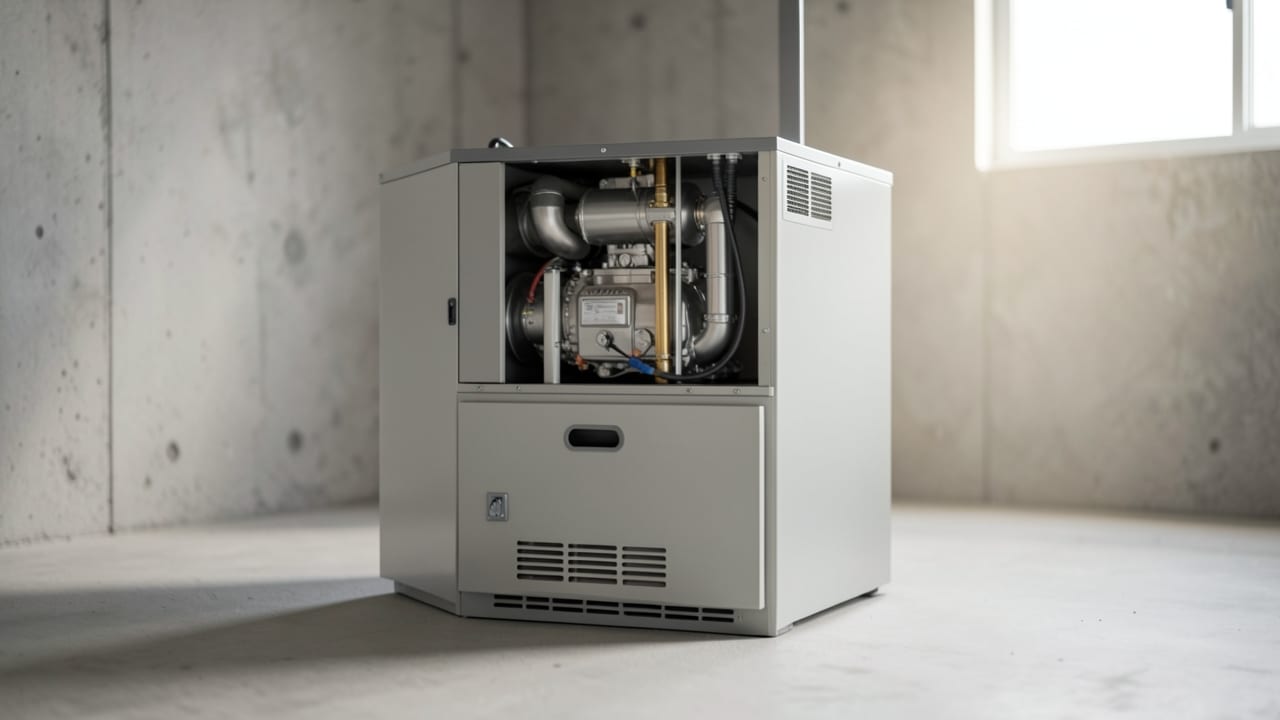
Air Handler Cleaning in Bellaire, TX
Professional cleaning of air handler units to improve HVAC efficiency and indoor air quality.
Learn More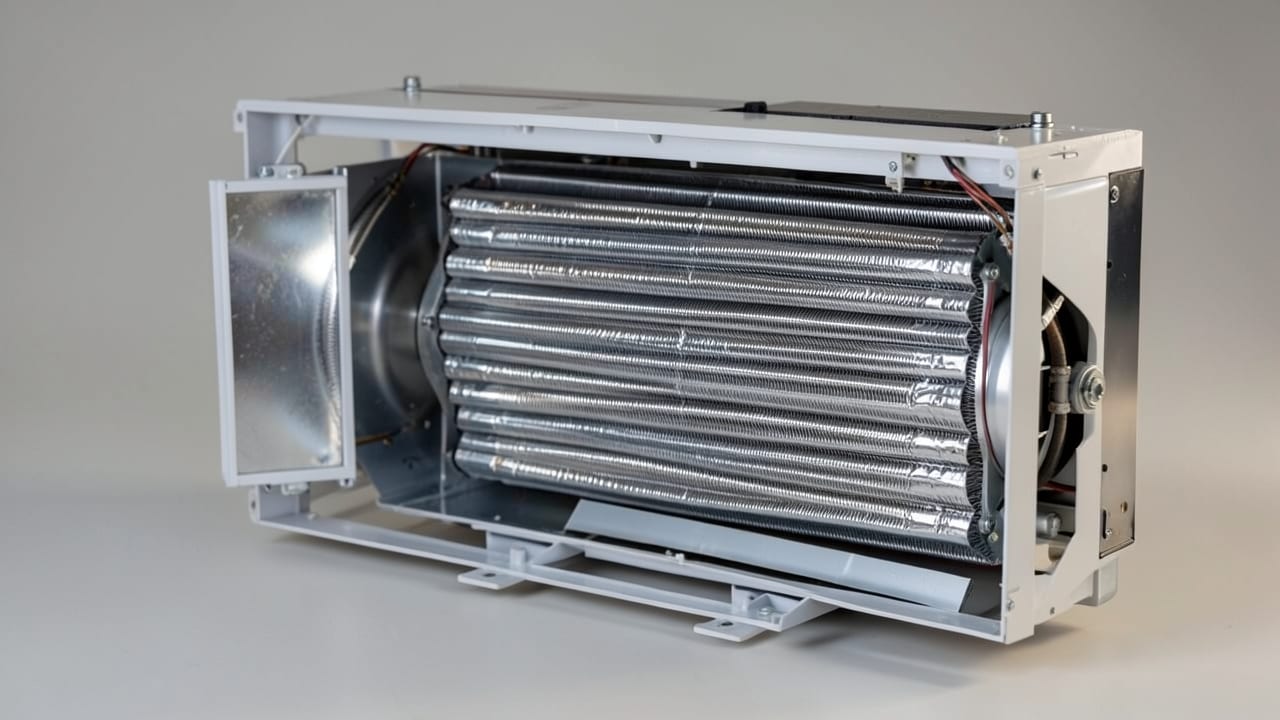
Evaporator Coil Cleaning in Bellaire, TX
Professional cleaning of HVAC evaporator coils to remove dirt, dust, and debris for improved airflow and efficiency.
Learn More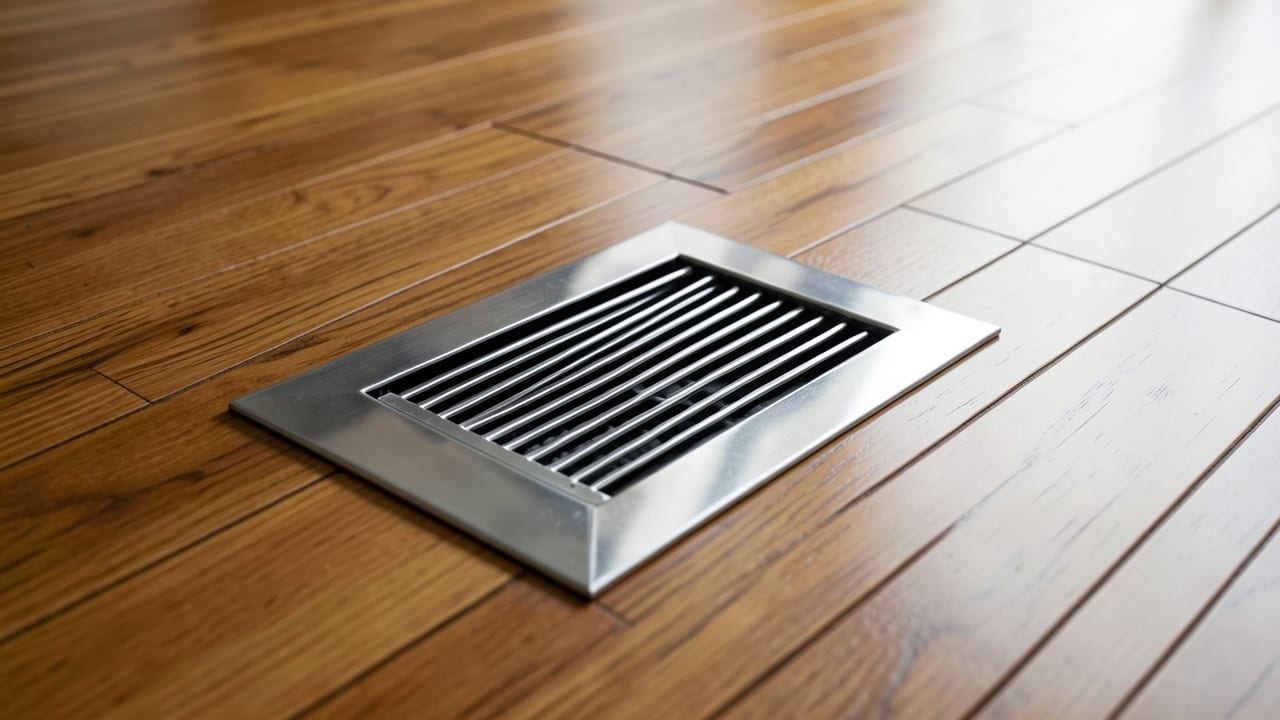
Register Cleaning in Bellaire, TX
Professional cleaning of air ducts and HVAC system components to improve airflow and indoor air quality.
Learn More
Concrete Duct Cleaning in Bellaire, TX
Professional cleaning of concrete ductwork to remove dust, debris, and contaminants from HVAC systems.
Learn More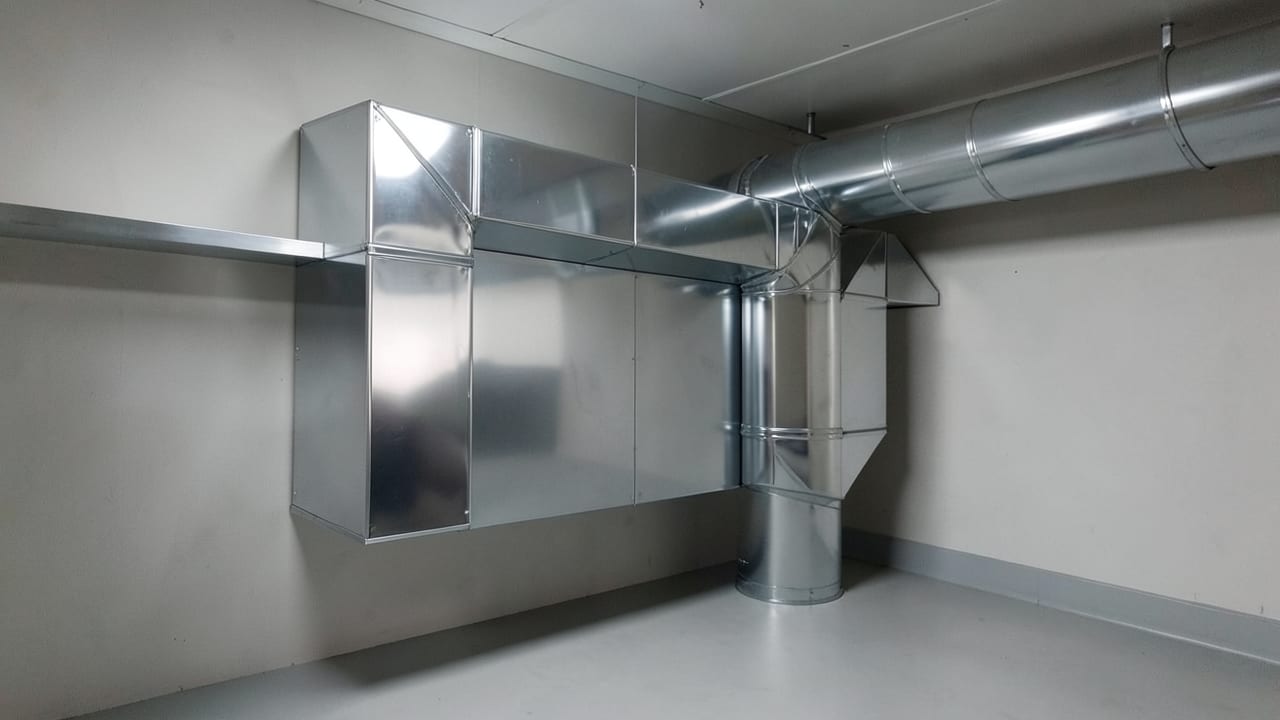
Aluminum Duct Cleaning in Bellaire, TX
Professional cleaning of aluminum ductwork to remove dust, debris, and contaminants from HVAC systems.
Learn More
Stainless Steel Duct Cleaning in Bellaire, TX
Professional cleaning of stainless steel ductwork to remove dust, debris, and contaminants from HVAC systems.
Learn MoreCommon Questions About Air Duct Cleaning in Bellaire
Everything you need to know about air duct cleaning services in Bellaire
How much does Ductwork Repair typically cost in Bellaire, TX?
Can humidity in Bellaire, TX lead to mold growing inside the ductwork itself?
Does dirty ductwork actually cause allergy or respiratory symptoms?
Can air ducts be cleaned with a household vacuum instead of hiring it out?
Is duct cleaning ever covered by a home warranty or insurance policy?
What's the actual difference between duct cleaning and dryer vent cleaning?
Need Air Duct Cleaning in Bellaire?
Get a written quote from our Bellaire crew.
⏰ We answer your call • Serving all of Bellaire and surrounding areas